
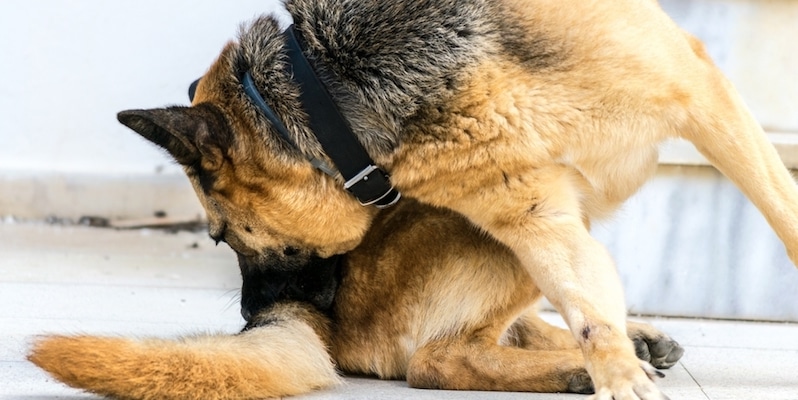
Anal Glands – Not the most pleasant topic to discuss but an important one!
Many of us have experienced the potent smell of anal gland secretion! This topic is not the most pleasant to talk about however many pets experience an anal gland issue at some point in their lives, so it seemed important to share some knowledge and get to the bottom of it.
 Dr Cathy Birch explains that anal glands (or anal sacs) are small pouches located between the anal sphincter muscles inside the anus of your pet. “They are located at the 4 and 8 o’clock positions if you consider the appearance of the anus round, like a clock”, Cathy says.
Anal glands are filled with a liquid and when your dog defecates, the liquid should be expelled from the sacs, the idea being that a firm passing poo can create enough pressure to express the glands. If the glands are not expressed on a regular basis, the liquid inside thickens and compacts, and as a result the glands cannot be expressed naturally. This is when excess liquid may seep out leaving its mark on your belongings and that awful aroma of rotten fish.
Cathy says, “We mostly see full or blocked anal glands in dogs and far less frequently if ever, in cats”. “Your pet’s diet may play a role in the development of anal gland problems. Diets low in fibre and higher in fats such as some canned foods or home cooked scraps may contribute to blocking of the glands”. Without having these glands manually expressed, pets will begin to show signs of discomfort such as scooting, biting or rubbing their bottom. This can result in trauma, perianal infections, pain and inflammation.
Cathy recommends, “While I can’t guarantee that changing your pet’s diet will resolve an anal gland problem completely, a diet rich in fibre may help to prevent recurrences. The increased fibre will begin to aid in the formation of firm and bulky stools that will create pressure against the colon wall near the anus to help express the anal gland contents”. If you think your pet’s anal glands are causing them concern, you can make an appointment to have them expressed with a veterinary nurse. It is important you have this done sooner rather than later to avoid pain and discomfort for your pet.
You may also like

Jervis Bay Re-opening Saturdays
Saturday mornings are returning at Jervis Bay soon! We are excited to announce that we will be reopening our Jervis Bay Veterinary Clinic on Saturday mornings! It has been a few years since we've been open on Saturdays, and we understand that it can be...

Batteries are Dangerous!
Sally presented to our Jervis Bay Clinic recently after her owners caught her eating the batteries of a hearing aid! Batteries contain an acidic material that can cause severe ulceration to exposed tissues and necrosis of the gastrointestinal tract. Radiographs...

Rehabilitation
Dr Sam Singleton provides her expertise in rehabilitation programs that assist dogs and cats during the recovery process from injuries, surgery and musculoskeletal conditions.