
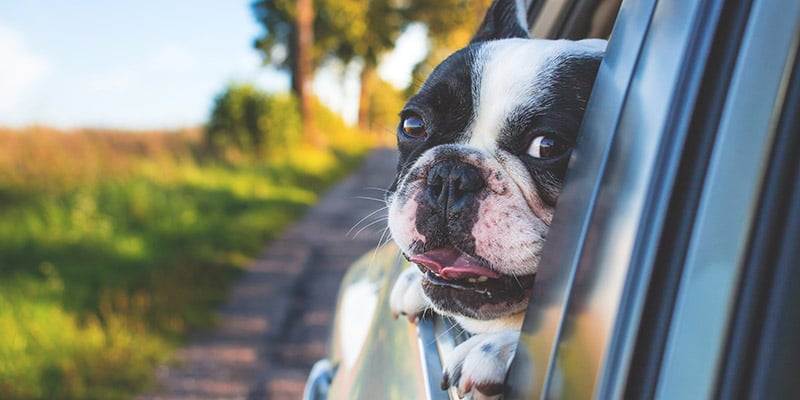
Traveling with our pets can be an exciting adventure but there are a few tips you should take along with you on the journey.
Hazards
Before you leave for your trip it is a good idea to prepare for any potential hazards in your destination area that may be harmful to your pet. Some of these can include: (you can click on any of these for more information)
- Paralysis Ticks
- Snakes
- Very hot weather
- Fleas
- Heartworm
- New plants
It’s important to make sure your pet is properly vaccinated before you leave. Different areas may have a higher incidence of some infectious diseases. For more information about vaccinations please click here.
When traveling by car, ensure your pet does not get overheated. Keep them situated away from direct sunlight shining into the car. Have them appropriately restrained and have many drink stops. Cats should be in a cage with a litter box as this reduces stress.
Pets that show signs of car sickness can benefit from medications that your veterinarian can prescribe, although trying alternative measures is best. Acclimatize you pet with short car rides close to home, this may help them adjust and reduce their nausea while traveling.
Traveling by plane
Always check the destination requirements including all vaccinations required. If traveling overseas, your pet will require a passport, this can be organized through an AQIS (Australian Quarantine and Inspection Service) accredited veterinarian.
For further information or if you have any questions please give us a call.
You may also like

Jervis Bay Re-opening Saturdays
Saturday mornings are returning at Jervis Bay soon! We are excited to announce that we will be reopening our Jervis Bay Veterinary Clinic on Saturday mornings! It has been a few years since we've been open on Saturdays, and we understand that it can be...

Batteries are Dangerous!
Sally presented to our Jervis Bay Clinic recently after her owners caught her eating the batteries of a hearing aid! Batteries contain an acidic material that can cause severe ulceration to exposed tissues and necrosis of the gastrointestinal tract. Radiographs...

Rehabilitation
Dr Sam Singleton provides her expertise in rehabilitation programs that assist dogs and cats during the recovery process from injuries, surgery and musculoskeletal conditions.